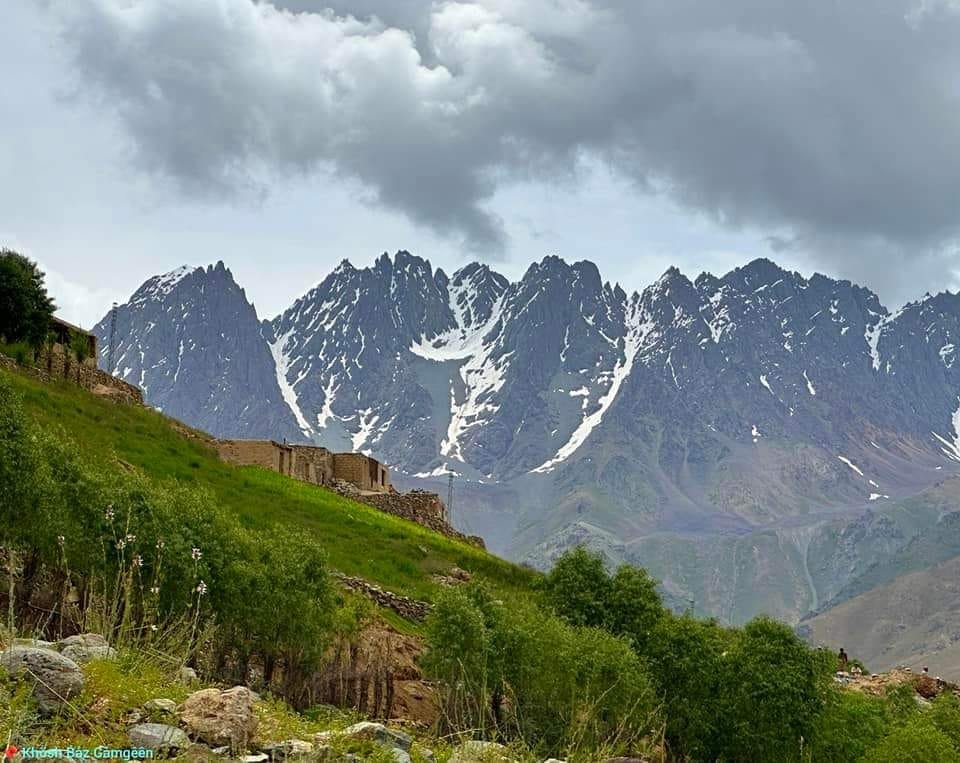
Tucked away in the upper reaches of Yasin Valley in District Ghizer, Gilgit-Baltistan, Bursat Valley is one of the region's most breathtaking yet lesser-known destinations. Surrounded by towering snow-capped mountains, lush alpine meadows, glacial streams, and traditional mountain settlements, Bursat offers visitors an authentic and peaceful escape into nature.
The
valley is renowned for its pristine environment, spectacular landscapes, and
rich cultural heritage. Far from the hustle and bustle of urban life, Bursat
Valley remains largely untouched by commercial tourism, making it an ideal
destination for travelers seeking solitude, adventure, and natural beauty.
Whether
you are a trekking enthusiast, nature lover, photographer, or simply looking to
experience the timeless charm of Gilgit-Baltistan, Bursat Valley promises an
unforgettable journey.
Bursat
Valley is located in Tehsil Yasin of District Ghizer, Gilgit-Baltistan,
Pakistan. Situated in the upper Yasin region, the valley is surrounded by the
magnificent peaks of the Hindu Kush mountain range and lies along some of the
area's historic trekking routes.
Its
remote setting and scenic surroundings make it one of the most beautiful hidden
gems of District Ghizer.
Bursat
Valley is blessed with extraordinary natural beauty and ecological diversity.
The valley is characterized by crystal-clear streams, fertile agricultural
lands, alpine pastures, and panoramic mountain views that captivate visitors
throughout the year.
Its
untouched landscapes provide a sanctuary for native flora and fauna while
offering travelers an opportunity to experience one of Gilgit-Baltistan's most
pristine mountain environments.
Major
attractions of Bursat Valley include:
· Spectacular views of the surrounding
Hindu Kush mountains.
· Lush green alpine meadows during the
summer season.
· Traditional villages showcasing the
region's rich cultural heritage.
· Glacial streams and freshwater springs.
· Fruit orchards and agricultural
terraces.
· Scenic trekking routes leading to nearby
alpine destinations.
· Peaceful natural surroundings ideal for
relaxation and photography.
· Stunning spring blossoms and vibrant
autumn colours.
The
valley's unique blend of natural beauty and cultural richness makes it a
perfect destination for eco-tourism and adventure travel.
Visitors
may reach Gilgit by air or by road.
· Islamabad to Gilgit by air:
approximately 1 hour.
· Islamabad to Gilgit by road via the
Karakoram Highway: approximately 14–16 hours.
· Gilgit to Yasin Valley: approximately
3–4 hours.
· Yasin Valley to Bursat Valley:
approximately 1 to 2 hours by road, depending upon the point of departure.
Travelers
from Skardu can access Bursat Valley via Gilgit.
· Skardu to Gilgit: approximately 4–5
hours.
· Gilgit to Yasin Valley: approximately
3–4 hours.
· Yasin Valley to Bursat Valley:
approximately 1 to 2 hours.
Visitors
travelling from Chitral can access Bursat Valley during the summer season via
the Shandur Pass route.
· Chitral – Shandur Pass – Gupis – Yasin
Valley – Bursat Valley.
Travel
through Shandur Pass is subject to weather and seasonal road accessibility.
Visitors
to Bursat Valley can also explore several nearby attractions, including:
· Yasin Valley
· Darkot Valley
· Darkot Pass
· Havaldar Lalak Jan Shaheed Mausoleum
(Hundur Village)
· Ishkoman Valley
· Karambar Lake
· Phander Valley
· Khalti Lake
· Shandur Pass
· Gupis Valley
These
destinations can easily be included in a multi-day itinerary while exploring
District Ghizer.
Accommodation
options are available in nearby tourist destinations, including:
· Family-run homestays
· Tourist guest houses
· Local hotels and tourist lodges
· Camping facilities in designated areas
Visitors
can find accommodation in:
· Yasin Valley
· Darkot Village
· Gupis
· Phander
· Gilgit City
Advance
booking is recommended during the tourist season.
Bursat
Valley offers a variety of recreational and adventure activities for visitors.
Popular
activities include:
· Trekking and hiking
· Camping
· Nature walks
· Landscape photography
· Cultural tourism
· Village tours
· Birdwatching
· Exploring alpine meadows and streams
· Family picnics
· Stargazing
· Wildlife observation
· Adventure expeditions to nearby mountain
destinations
The
valley's peaceful environment and spectacular scenery make it particularly
suitable for eco-tourism and outdoor recreation.
The
best time to visit Bursat Valley is from:
· May to September.
Visitors
can enjoy:
· Spring blossoms during April and May.
· Pleasant summer weather from June to
August.
· Spectacular autumn colours during
September and early October.
Winter
months bring heavy snowfall and extremely cold temperatures, limiting
accessibility to certain areas.
For
a safe and enjoyable visit to Bursat Valley, travelers are advised to:
1. Drive carefully on hilly and mountainous
roads and avoid overspeeding.
2. Hire an experienced local driver if you
are unfamiliar with mountain driving.
3. Check the latest weather forecast and
road conditions before starting your journey.
4. Travel during daylight hours whenever
possible.
5. Keep children under close supervision,
especially near rivers, streams, and steep mountain slopes.
6. Maintain a safe distance from rivers,
waterfalls, and other natural water bodies.
7. Carry warm clothing, drinking water,
basic medicines, and essential travel supplies.
8. Respect local custo][ms, traditions, and
cultural values.
9. Do not enter private homes, gardens,
orchards, or agricultural lands without permission. Refrain from picking fruits
or causing damage to crops and property.
10. Help preserve the valley's natural
beauty by disposing of waste responsibly and practising sustainable tourism.
Bursat
Valley is a hidden treasure of Yasin that offers visitors a rare opportunity to
experience the untouched beauty of Gilgit-Baltistan. Its majestic mountains,
peaceful landscapes, and welcoming communities make it a destination that
rewards those willing to venture beyond the ordinary.
Travel
responsibly, respect the local environment and traditions, and help preserve
the natural and cultural heritage of Bursat Valley for future generations.